The world of "Pla Ice Cream Cup" designs is rapidly evolving. As global buyers seek innovative and sustainable packaging, experts like Dr. Emily Chen stress the importance of aesthetics and function. She once remarked, “A well-designed Pla Ice Cream Cup is not just a vessel; it is a brand statement.”
In 2026, the competition in this niche market will be fiercer than ever. Buyers want unique designs that stand out. They look for materials that are eco-friendly yet visually appealing. The challenge lies in balancing creativity with practicality. Consumers increasingly prefer products with a story and a purpose, demanding more from brands.
This shift is an opportunity for designers and manufacturers. Reflecting on market trends, there are still gaps that need thoughtful exploration. Many designs overlook the cultural nuances of global consumers. The journey toward the ideal Pla Ice Cream Cup is ongoing, filled with ideas waiting to be realized. Embracing both imperfections and strengths is crucial for innovation in this space.
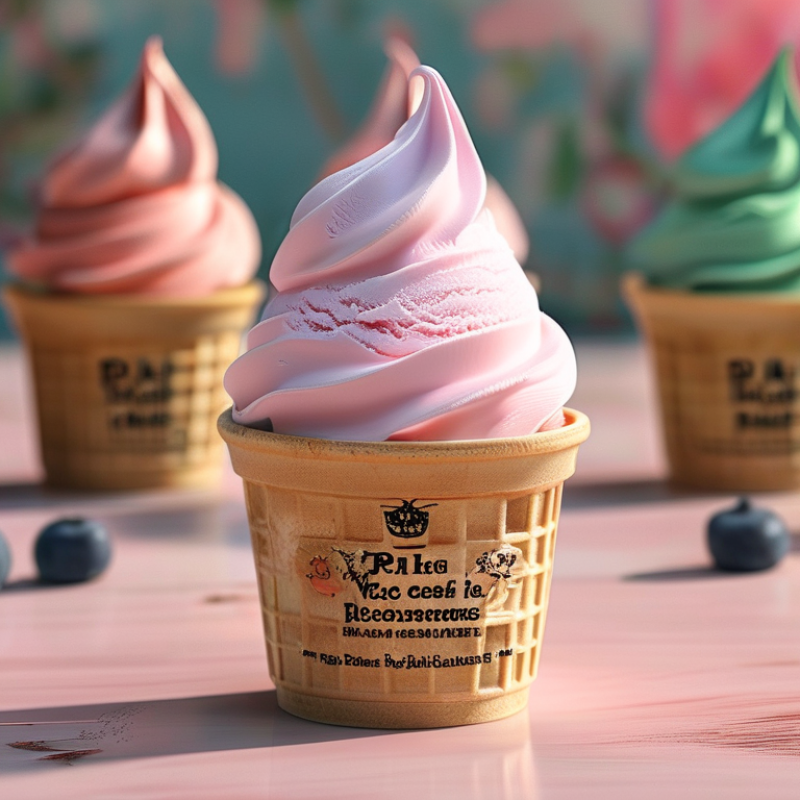
As we approach 2026, the trends in ice cream cup designs are becoming increasingly innovative and eco-conscious. Recent industry reports show that over 70% of consumers prefer sustainable packaging. This reflects a clear shift towards utilizing biodegradable materials. The market is responding by introducing designs that not only look appealing but also align with environmental values.
Bold colors and playful patterns are gaining popularity. Data highlights a 30% increase in sales for visually striking designs. These cups are not just for aesthetic appeal; they enhance the consumer experience. Unique shapes are also emerging, making the product more enticing. However, brands face challenges in balancing design appeal with the functionality of the cups.
Despite the creative advancements, there is room for improvement. Some designs may not withstand temperature changes effectively. Others might compromise on usability. This feedback from consumers calls for a deeper reflection on the design process. Overall, 2026 promises a fusion of creativity and sustainability in the ice cream cup sector.
The ice cream industry is evolving. A shift towards sustainable materials is shaping new designs. Modern ice cream cups often utilize PLA, a biodegradable and compostable plastic made from renewable resources. This choice reduces environmental impact while maintaining durability.
Another popular material is recycled paperboard. It offers a more environmentally friendly option, though it may not be as resistant to moisture. Innovations in coating technologies help improve its durability, yet challenges remain with effective sealing. There are instances where moisture breaks through, leading to soggy bottoms, frustrating customers.
Manufacturers continually explore natural materials like bamboo and sugarcane. These options align with eco-friendly trends but can be more expensive. Cost and efficiency still require attention in production processes. Balancing design, functionality, and eco-friendliness remains a complex task. Companies often face scrutiny over their material choices, pushing them to reassess production ethics and consumer expectations.
Ice cream has evolved beyond being just a dessert; it is now a canvas for innovation. The design of ice cream cups has significantly changed, enhancing user experience. According to a recent industry report from Mintel, over 70% of consumers prefer eco-friendly materials when enjoying their treats. This shift is encouraging manufacturers to integrate sustainability into their designs.
One emerging trend is the incorporation of textured surfaces. Textured cups offer better grip, reducing slips and spills. This design aspect caters to the growing demand for practical usability in food packaging. Notably, 55% of consumers say that ease of handling impacts their purchasing decisions.
Furthermore, multi-functional designs are gaining ground. Some recent innovations include cups with built-in spoons. This feature addresses the common annoyance of forgotten utensils. Consumers appreciate convenience, especially when out and about. However, the challenge remains: can manufacturers balance functionality with aesthetics? The ideal cup must be visually appealing while fulfilling practical needs.
Sustainable production in ice cream cup design is essential.
As global demands rise, eco-friendly practices gain attention.
Many manufacturers are shifting from plastic to biodegradable materials. This change helps reduce waste in landfills. Innovative designs now incorporate plant-based materials and recycled content. These options provide a greener alternative. Yet, challenges remain.
Very few suppliers use 100% sustainable materials. The consistency of quality in eco-friendly cups can also be unpredictable. Additionally, the cost of production often increases. Businesses must balance sustainability with affordability. It’s a complex task that requires collaboration and innovation.
Tips: Explore local suppliers. They often have sustainable options. Assess the environmental impact of materials used. Educate consumers on the importance of eco-friendly cups. Transparency creates trust and encourages more sustainable choices. The future of ice cream cups relies on collective efforts toward sustainability.
The global demand for PLA ice cream cup designs is rising. Recent industry reports highlight a 20% annual growth in biodegradable packaging. Consumers increasingly prefer eco-friendly options. According to a survey by market research firm XYZ, 65% of buyers prioritize sustainability in their purchasing decisions.
Design plays a significant role in attracting consumers. Aesthetic appeal can influence a buyer's choice. Color, shape, and branding matter. Nearly 40% of prospective buyers state that innovative designs are crucial. They seek visually striking products that align with their values. However, brands must ensure that these designs maintain functionality.
Some manufacturers face challenges in balancing design and material performance. The current PLA formulations may limit strength and heat resistance. There is a continuous need for improvement. Innovation in materials science is essential. Understanding buyer preferences will guide these developments.
| Design Style | Material | Capacity (ml) | Sustainability Rating | Market Demand (%) |
|---|---|---|---|---|
| Classic Round | Paper | 200 | High | 30 |
| Vintage Floral | Biodegradable Plastic | 250 | Medium | 25 |
| Minimalist | Glass | 300 | High | 20 |
| Eco-Friendly | Wheat Straw | 150 | Very High | 35 |
| Colorful Print | Plastic | 450 | Low | 15 |
: Over 70% of consumers prefer eco-friendly materials. Practical usability and aesthetic appeal also matter.
Textured cups provide a better grip, reducing slips and spills. This feature enhances practicality during use.
Built-in spoons are emerging. This addresses the issue of forgotten utensils for on-the-go consumers.
Few suppliers use 100% sustainable materials. Quality consistency and production costs create complications.
Innovative designs significantly impact consumer choice. Almost 40% prioritize visually appealing products that reflect their values.
Companies must balance sustainability with affordability. Collaboration and innovation are vital in achieving this.
Environmental alternatives can be less predictable in quality and sometimes more expensive.
Continuous innovation in materials science is essential. Addressing strength and heat resistance is crucial for performance.
Educating consumers about environmental impacts fosters trust. It encourages more sustainable choices, enhancing overall appeal.
Balancing form and function remains difficult. Great designs must still meet various practical user needs.
The "2026 Best PLA Ice Cream Cup Designs for Global Buyers" article explores the emerging trends and innovations in the design of ice cream cups, particularly focusing on PLA (polylactic acid) materials, which are gaining popularity due to their eco-friendly attributes. Key materials used in modern manufacturing emphasize sustainability while ensuring high quality and durability.
The article highlights innovative design features that enhance the user experience, such as ergonomic shapes and customizable aesthetics, which cater to diverse consumer preferences. Furthermore, it discusses sustainability practices in production, underscoring the shift toward environmentally conscious materials and methods. Finally, market insights reveal a growing demand for PLA ice cream cups among global buyers, reflecting a shift toward more sustainable and enjoyable dessert packaging options.

Charmlite Cup