The market for single serve ice cream cups has seen remarkable growth in recent years. According to a report by Grand View Research, the global ice cream market is projected to reach USD 100 billion by 2027, and single serve formats play a pivotal role in this trend. Consumers increasingly seek convenience and portion control, making Single Serve Ice Cream Cups an attractive option for busy lifestyles.
In addition, a survey from Mintel revealed that 62% of adults are interested in ready-to-eat desserts. Single serve options cater to this demand, providing a quick and satisfying treat. However, as brands explore innovative flavors and sustainable packaging, challenges remain. Some consumers express concerns about excessive waste and sugar content in these products. Hence, manufacturers must address these issues while enhancing product appeal.
As the industry evolves, it is essential for global buyers to navigate this dynamic market. Understanding consumer preferences and market trends will help them make informed decisions. Exploring various brands and their offerings can lead to discovering the best Single Serve Ice Cream Cups that meet both quality and ethical standards.
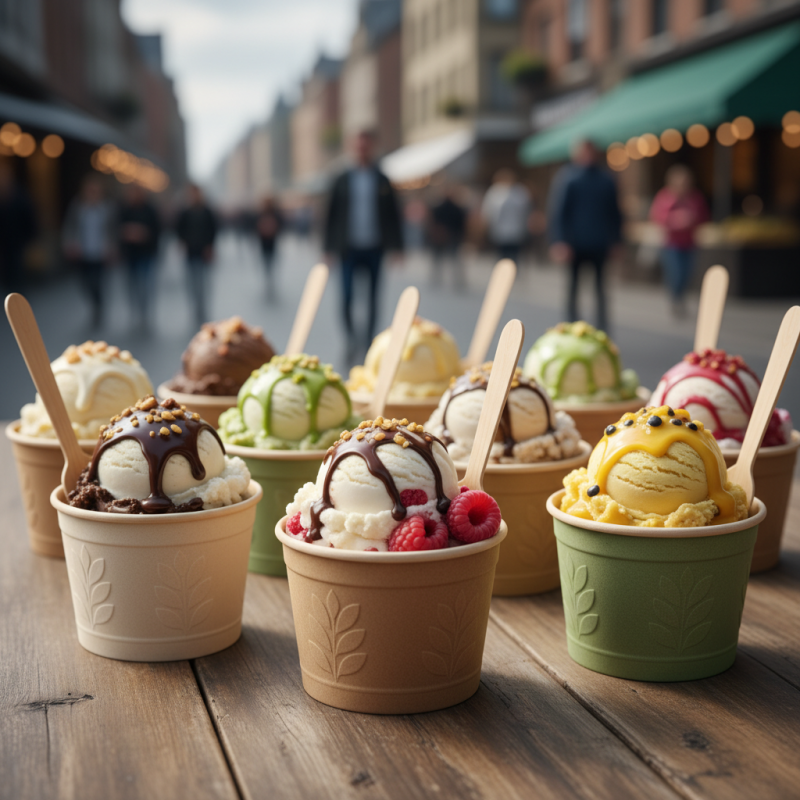
Best Single Serve Ice Cream Cups: An Overview
Single serve ice cream cups have gained immense popularity among consumers worldwide. According to a recent report from the International Ice Cream Association, the single serve segment has seen a growth of approximately 15% over the last five years. This trend reflects the desire for convenience and portion control in dessert choices. As the global market evolves, ice cream manufacturers are adapting to these consumer preferences.
More than just a snack, these cups offer a controlled indulgence. Many products now feature clear labeling of nutritional information. This transparency fosters trust among health-conscious buyers. Research indicates that consumers are more aware of their food choices. Approximately 70% prioritize products with visible ingredient lists. However, not all brands meet these expectations.
The environmental impact of single serve packaging is a growing concern. Many companies are exploring eco-friendly materials. Yet, progress has been slow. Consumers should remain critical of brands that claim sustainability without backing it up. The demand for better practices is rising, but it requires ongoing dialogue between buyers and manufacturers to effect real change.
Key Features to Consider When Buying Single Serve Cups
When choosing single serve ice cream cups, consider the material. Many cups are made from plastic or paper. A durable material ensures that the cup can withstand freezing temperatures. It should also be food-safe, as this directly impacts health. The cup design matters too. Look for cups with lids that seal well. This prevents spills and keeps the ice cream fresh. An appealing design can enhance the enjoyment of the treat.
Portion size is crucial for single serve cups. The right amount should satisfy without wastage. Too little can disappoint, while too much may lead to unfinished servings. Convenience matters in packaging as well. Easy-to-open designs make for a pleasant user experience. Also, consider the environmental impact. Biodegradable or recyclable options are becoming more popular. These choices reflect a commitment to sustainability.
Lastly, think about flavor variety. Offering diverse flavors can cater to different preferences. However, it's essential to balance variety and availability. This is where brands sometimes struggle. Too many options can complicate choices, leading to decision fatigue. A manageable selection keeps customers happy without overwhelming them. Quality should also take precedence over quantity.
Top Brands for Single Serve Ice Cream Cups Worldwide
Single-serve ice cream cups have gained immense popularity in recent years. They cater to the growing demand for convenience and portion control among consumers. A recent industry report estimated that the global single-serve ice cream market will grow at a compound annual growth rate (CAGR) of 6% until 2025. This growth reflects consumers’ desire for quick, on-the-go treats without the worry of excess.
When looking for the best brands, it’s essential to consider the variety offered. Many popular brands provide a range of flavors, from classics to innovative combinations. Research indicates that 74% of consumers prefer brands that offer unique flavors and textures. This trend highlights the importance of brand creativity in the single-serve market.
Tip: Always check the packaging for sustainability. Eco-friendly cups are becoming a popular choice for consumers prioritizing environmental responsibility.
Moreover, understanding portion sizes is crucial. According to a study, consumers tend to underestimate serving sizes. Awareness of this can help in making healthier choices. Many brands are now focusing on responsible labeling to assist consumers.
Tip: Explore different textures in ice cream, like mix-ins or swirls, to enhance your experience. The right texture can make a simple treat feel indulgent.
Choosing the right single-serve ice cream cup can elevate the dessert experience while aligning with consumer preferences and global trends.
Comparative Analysis of Different Ice Cream Cup Materials
When considering the best single-serve ice cream cups, material selection plays a critical role. The main materials include paper, plastic, and biodegradable options. Each type has distinct advantages and drawbacks. For example, paper cups are generally recyclable and offer a more sustainable choice. However, they may not provide the same level of insulation as plastic, which can lead to faster melting of ice cream.
Plastic cups are widely used because of their durability and low cost. However, industry reports indicate that they contribute significantly to environmental pollution. According to a recent statistic, around 300 million tons of plastic are produced annually, with a substantial portion ending up in oceans and landfills. While cost-effective, the long-term impact of plastic use remains a concern.
Biodegradable materials are gaining traction in the market. They offer a viable alternative by breaking down more efficiently than traditional plastics. Some studies suggest that biodegradable cups can reduce the environmental footprint by up to 60%. Nevertheless, they often come at a higher initial cost, making many businesses hesitant to adopt this newer material. Reflection on cost versus sustainability remains a challenge in the industry.
Health and Environmental Implications of Single Serve Packaging
Single-serve ice cream cups have gained popularity due to their convenience. However, this convenience comes with significant health and environmental implications. The individual packaging may encourage overconsumption, as people frequently indulge without portion control. Additionally, many of these cups are made from materials that are not biodegradable, contributing to landfill waste. This raises concerns about our environment and sustainability practices.
The impact of single-serve packaging extends beyond just waste. The production processes for these cups often involve energy-intensive methods that can contribute to carbon emissions. Consumers may not fully realize the environmental cost of choosing these options. It is essential to weigh these implications against the desire for convenience. Opting for more sustainable packaging solutions may be a better choice for the environment, even though it might require slight changes in our purchasing habits.
Reflection is necessary here. Are we prioritizing convenience over our planet’s health? As we enjoy our favorite treats, considering the sustainability of our choices can lead to more responsible consumption. Ultimately, the decision to choose single-serve ice cream should come with a clearer understanding of its broader impacts.
Environmental Impact of Single Serve Ice Cream Packaging
Conclusion
Single Serve Ice Cream Cups have gained popularity among consumers seeking convenience and portion control. This article provides a comprehensive guide to choosing the best single serve options, highlighting key features to look for, such as size, material, and seal quality. Understanding these aspects can greatly enhance the ice cream experience, ensuring freshness and ease of use.
Moreover, the article explores the various materials used in single serve ice cream cups, offering a comparative analysis that reveals the pros and cons of each. Additionally, it addresses the health and environmental considerations associated with single serve packaging, emphasizing the importance of selecting cups that minimize ecological impact while still providing a delightful treat. This guide serves as an essential resource for global buyers looking to navigate the evolving market of single serve ice cream cups.

 Charmlite Cup