The global ice cream market continues to grow, with the "Ice Cream Cup Price" attracting significant attention from buyers. According to a recent report by the International Dairy Foods Association, the ice cream sector reached a market value of over $9 billion in 2022. This growth can be attributed to changing consumer preferences and innovative flavors. Industry expert Dr. Emily Wong notes, "Pricing strategies in the ice cream cup segment are crucial for attracting global consumers."
China has emerged as a key player in this market. The country’s diverse flavors and packaging options appeal to various demographics. However, fluctuations in the "Ice Cream Cup Price" reflect both local production costs and international demand. As noted in the November 2023 Market Analysis Report by Frost & Sullivan, the rise in ingredient costs is influencing pricing strategies.
While most entities focus on competitive pricing, some overlook the importance of quality and sustainability. The challenge lies in balancing affordability with premium offerings. Buyers and producers alike must reflect on their choices, as the "Ice Cream Cup Price" will continue to evolve. Understanding these dynamics is vital for anyone engaged in the global ice cream market.
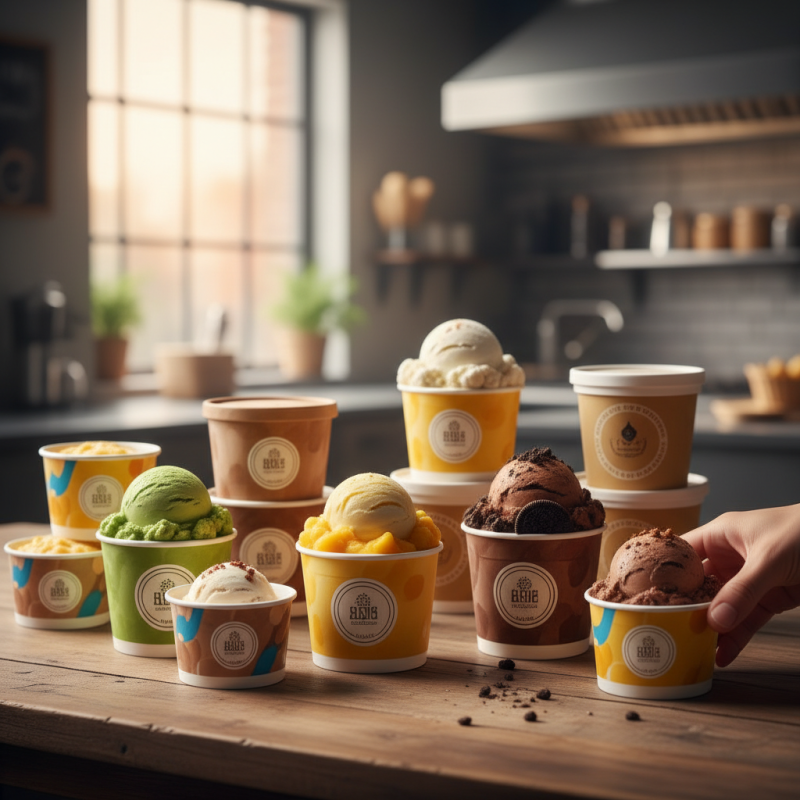
China's ice cream cup market has seen significant growth in recent years. This sector has attracted both manufacturers and consumers alike. Ice cream cups are not only a popular dessert option but also a significant part of Chinese culture. Many consumers enjoy them as a sweet treat after meals, making the market vibrant.
The production process is both an art and a science. Quality ingredients are essential. Producers face challenges in sourcing the best raw materials. There is a constant balance between quality and cost. Many manufacturers strive to create unique flavors that resonate with local preferences. However, not all flavors succeed, leading to reflection on consumer trends.
Moreover, the price of ice cream cups can vary considerably. Factors influencing price include quality, packaging, and distribution. Some manufacturers set high prices to convey premium quality. This strategy sometimes backfires. Consumers may prefer affordable options that still offer good taste. Understanding market dynamics is crucial for success in this competitive landscape.
: Raw material costs, such as dairy and sugar, play a significant role. Transportation and manufacturing costs also impact prices.
The International Dairy Federation reported a 15% increase in milk prices, influencing overall ice cream pricing.
Consumers increasingly favor eco-friendly options. However, these materials often come with higher prices.
Reports indicate a steady annual growth rate of 8.5% from 2021 to 2026, despite intense competition.
Some brands focus on premium ingredients, while others prioritize affordability. This creates a wide price range.
Look at similar flavors and qualities. Paying more can sometimes lead to a better experience.
Economic factors and consumer preferences change quickly. Brands must adapt to stay competitive in pricing.
Monitor ingredient costs and local competitors. These can impact pricing strategies and supply choices.
Yes, local suppliers offer insight into market nuances. This can lead to better deals and partnerships.
They struggle to compete with larger companies and may deal with market oversaturation in urban areas.
The article "China Top Ice Cream Cup Price for Global Buyers Explained" provides a comprehensive overview of the dynamics within China's ice cream cup market. It highlights the various factors that influence ice cream cup pricing, such as production costs, supply chain logistics, and evolving consumer preferences. Additionally, it compares the pricing strategies employed by different global ice cream brands and discusses the impact of export regulations on the overall ice cream cup price for international trade.
Looking ahead, the article explores future trends in ice cream cup pricing, suggesting that market growth and innovation could lead to fluctuations in costs for global buyers. As China's market continues to expand, understanding these factors will be crucial for buyers aiming to navigate the complexities of ice cream cup pricing effectively.

 Charmlite Cup