How to Choose the Best Cups for Ice Cream Serving?

Time:2026-05-25 Author:Sienna
0%

Choosing the right cups for ice cream serving can elevate the entire dessert experience. Cups Ice Cream come in various shapes, sizes, and materials. Each choice impacts the visual appeal and practicality of your serving. Understanding these elements can make your selection process easier.

Quality cups enhance the presentation of your ice cream. They can be made from plastic, paper, or glass. Each material holds different aesthetic qualities and durability. For instance, glass offers elegance, while plastic cups provide convenience for outdoor events. Selecting the right option could be challenging. It’s essential to consider your event's atmosphere and your guests' needs.

Moreover, functionality should not be overlooked. Some cups are designed with specific features, like built-in spoons or leak-proof lids. These aspects can significantly affect how enjoyable the ice cream experience is. Nonetheless, finding the ideal balance between beauty and practicality may take some reflection. Ultimately, the right cups Ice Cream can leave a lasting impression on your guests.
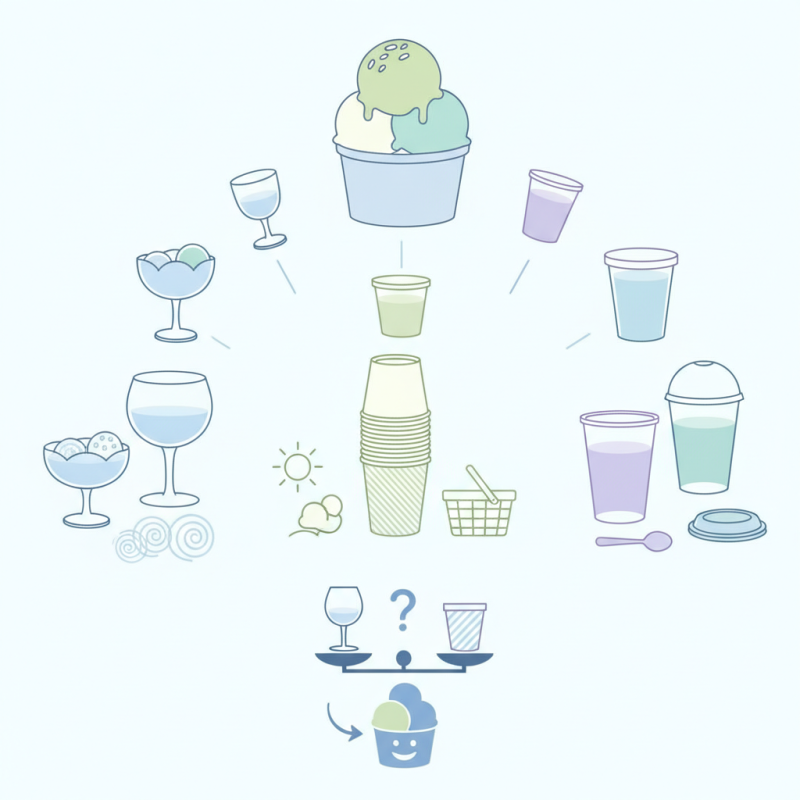
How to Choose the Best Cups for Ice Cream Serving?

Types of Cups Suitable for Ice Cream Serving

When selecting cups for ice cream serving, the type of material is crucial. According to a recent market analysis, around 70% of consumers prefer cups that retain temperature for longer periods. This means that insulated or double-walled cups can enhance the ice cream experience. They prevent melting and maintain that delightful coldness longer. Eco-friendly options like biodegradable cups are also gaining popularity, aligning with the growing consumer demand for sustainable products.


The shape and size of the cups play an essential role as well. Research shows that cups with wider openings allow for easier scooping and topping additions. Survey data indicates that nearly 65% of ice cream enthusiasts appreciate cups that can hold at least 8 ounces. While some may opt for smaller servings, versatile sizes cater to a broader audience. It’s interesting to note that colorful and visually appealing designs can attract consumers, adding an aesthetic touch to the experience.


Finding the right cup is not straightforward. Local regulations may affect the types of materials you can choose. Customer preferences can also change rapidly. Some may prioritize aesthetics over functionality. Balancing these aspects requires careful thought and attention. The best choice involves considering both the practicalities of serving ice cream and the ever-evolving tastes of customers.

Material Considerations for Ice Cream Cups

When selecting cups for serving ice cream, material plays a crucial role. The choice of material impacts not only the presentation but also the eating experience. Common options include paper, plastic, and glass. Each has its unique qualities.

Paper cups are lightweight and disposable. They are perfect for casual settings, like ice cream trucks or outdoor events. However, they may not provide adequate insulation, leading to a melted mess. On the other hand, plastic cups are durable and versatile. Lightweight and less prone to breakage, they offer convenience. Yet, they can sometimes impart a different flavor to the ice cream, which may be unappealing to some customers.

Glass cups present a more elegant option. They retain the cold temperature effectively, enhancing the experience. However, they are breakable, which could lead to safety issues. Choosing cups that balance aesthetics and functionality is important. Reflect on your audience’s preferences and the setting. A mix of materials might just be the best way to cater to diverse needs.

How to Choose the Best Cups for Ice Cream Serving? - Material Considerations for Ice Cream Cups

Material Type Pros Cons Best Use Cases
Plastic Lightweight, durable, cost-effective Less eco-friendly, may retain odors Casual events, parties, takeout
Paper Biodegradable, customizable, lightweight Less sturdy, can leak if not treated Festivals, catering, eco-friendly brands
Glass Reusable, aesthetically pleasing, temperature retention Heavy, fragile, requires careful handling Upscale dining, personal use, events
Ceramic Elegant appearance, good insulation, reusable Heavy, easy to break, often more expensive Fine dining, desserts, special occasions
Biodegradable Plastics Eco-friendly, sturdy, retains a traditional look Higher cost, availability might be limited Eco-conscious events, catered functions

Size and Capacity: Finding the Perfect Fit

Choosing the best cups for ice cream serving goes beyond aesthetics. Size and capacity play a crucial role in enhancing the ice cream experience. Smaller cups can make servings feel more decadent, while larger ones allow for generous scoops. The common mistake is underestimating capacity. Think about how many scoops you usually serve.

Consider your audience. A kid-friendly size might need to be different from what adults prefer. If serving children, opt for smaller cups around 4 to 6 ounces. Adults typically enjoy cups ranging from 8 to 12 ounces. This is an easy area to overlook when planning a gathering. Having too small a cup could lead to disappointed guests.

The shape also matters. Wider cups often allow for more toppings and decorations. This can transform a simple treat into something special. On the other hand, a tall cup can create a beautiful visual presentation. Reflect on the occasion and the desired serving style. The right choice will enhance enjoyment.

Design Features to Enhance Ice Cream Experience

Choosing the right cups for serving ice cream significantly enhances the overall experience. Design features can greatly influence enjoyment. Consider the size of the cup. A wider cup allows for easy scooping and prevents ice cream from spilling. A taller design can help keep the ice cream chilled longer, which is a thoughtful detail for warm days.

The texture is another crucial aspect. Smooth surfaces feel nice against the lips and make for an enjoyable experience. On the other hand, a cup with a unique pattern can add visual interest. This texture contrasts with the creamy ice cream, creating a delightful combination. However, some intricate designs may be difficult to clean. It's essential to balance aesthetics and practicality.

Finally, think about the material. Durable options, like silicone or thick plastic, provide reliability. However, these materials may not have the same charm as traditional ceramics. There’s a draw to the warmth of porcelain for a cozy vibe, but they can chip easily. Reflecting on these features can lead to a more satisfying ice cream experience.

Ice Cream Cup Design Features Impact on Customer Preference

Sustainability Options for Ice Cream Serving Cups

When selecting cups for ice cream, sustainability is crucial. The ice cream industry generates about 2.2 million tons of plastic waste each year. Many businesses are now looking for eco-friendly alternatives to traditional plastic cups.

Compostable cups made from materials like cornstarch are a popular option. They break down within 90 days in an industrial composting facility. Additionally, paper cups lined with plant-based coatings can reduce environmental impact. A report from the Packaging Association highlights a 25% increase in demand for sustainable packaging in the past three years.

However, not all sustainable cups perform well. Some may leak or become soggy quickly. Operators must consider durability and functionality alongside eco-friendliness. Striking this balance is essential for providing a good customer experience while minimizing environmental harm.

FAQS

: What size of ice cream cup should I choose?

: A wider cup is ideal for scooping and prevents spills.

Why is the texture of the cup important?

Smooth surfaces feel nice and enhance enjoyment. Unique patterns add visual interest, but can be hard to clean.

What materials should I consider for ice cream cups?

Durable materials like silicone or thick plastic are reliable. Ceramics offer warmth but may chip easily.

Why is sustainability important in ice cream cups?

The ice cream industry produces significant plastic waste. Eco-friendly options help reduce environmental impact.

What are some sustainable cup options?

Compostable cups made from cornstarch break down in 90 days. Paper cups lined with plant-based coatings are also popular.

Do all sustainable cups perform well?

No, some can leak or become soggy quickly. Durability matters for customer satisfaction.

How can I balance aesthetics and practicality in cup design?

Choose designs that look good but are also easy to clean. Reflect on both styles and usability.

What should businesses consider when selecting cups?

They need to balance eco-friendliness, durability, and functionality for a positive experience.

Can intricate cup designs enhance the experience?

Yes, but they might be harder to clean than simpler designs.

How has the demand for sustainable packaging changed recently?

There has been a 25% increase in demand over the past three years.

Conclusion

Choosing the best cups for ice cream serving involves several key considerations to enhance the overall experience. Firstly, understanding the different types of cups suitable for ice cream is essential, as options range from traditional paper cups to modern reusable designs. The materials used for these cups should not only support the cold temperature of ice cream but also be safe and pleasant to use.

Additionally, size and capacity play a crucial role in selecting the right cups; finding the perfect fit can help prevent waste and ensure customer satisfaction. Special design features, such as insulation and attractive visuals, can further enhance the ice cream experience. Finally, with an increasing awareness of sustainability, opting for eco-friendly cup choices has become a significant consideration for many consumers. Ultimately, the right cups for ice cream should combine functionality, aesthetics, and environmental responsibility.

Sienna

Sienna

Sienna is a skilled marketing professional with a deep expertise in our company’s core products and services. With a passion for innovation and detail, she plays a pivotal role in crafting insightful blog posts that not only highlight the unique features of our offerings but also provide valuable......