Choosing the right Plastic Ice Cream Cups can significantly impact your business. These cups are not just containers; they reflect your brand's quality and dedication to customer satisfaction. A recent industry report by IBISWorld indicates that the demand for well-designed ice cream packaging will grow by 5% annually.
Expert David Chen, a consultant in food packaging, believes, "Selecting the right materials is key to enhancing the consumer experience." His insight emphasizes the importance of quality in Plastic Ice Cream Cups. Businesses often overlook the effect of design and functionality. Cups should be sturdy, aesthetically pleasing, and eco-friendly, catering to modern consumers' preferences.
Moreover, the variety available can be overwhelming. Many businesses may choose based on cost alone, but this can lead to missed opportunities. The wrong choice might lead to leaks, poor customer experiences, or brand damage. It's crucial to strike a balance between price and quality. Thoughtful selection of Plastic Ice Cream Cups can elevate your brand in a competitive market.
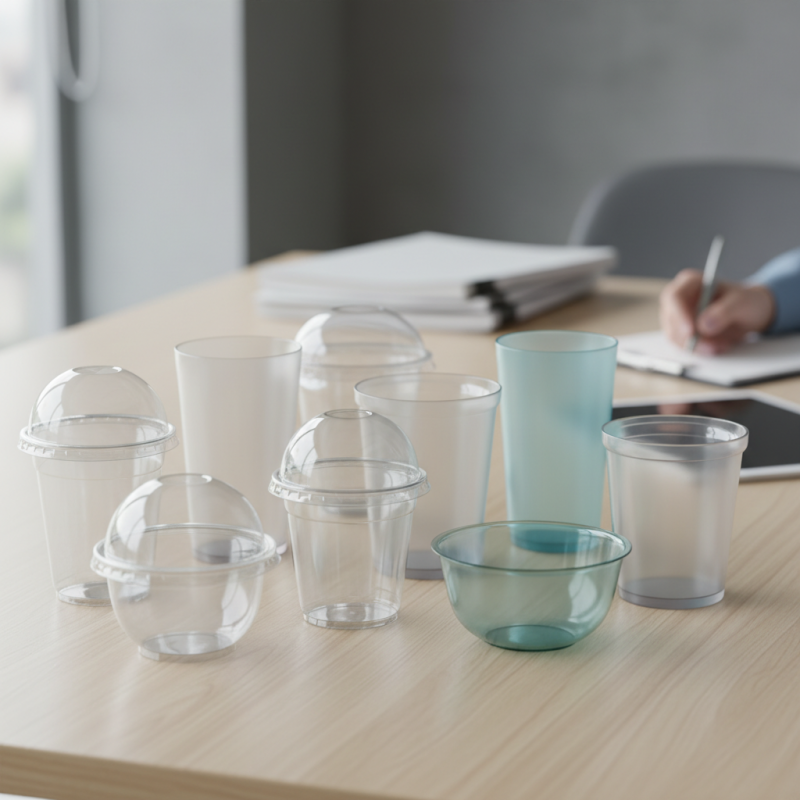
When choosing plastic ice cream cups, it's essential to understand the various types available. Common options include disposable cups, reusable cups, and biodegradable varieties. Disposable cups are practical for events and takeaway services. They save time on dishwashing but may not be eco-friendly. Reusable cups require a greater initial investment but can lower costs over time. They also help create a sustainable brand image.
Biodegradable cups are increasingly popular. They appeal to environmentally conscious customers. However, they may not always hold up well in extreme temperatures. Choosing the right type of cup depends on several factors, such as your target market and business values. It's crucial to assess your specific needs before making a decision. Customers appreciate quality and environmental responsibility. Make sure your choice aligns with their expectations.
This chart illustrates the different types of plastic ice cream cups available and their popularity among businesses.
When selecting plastic ice cream cups for your business, size and capacity are crucial factors. Ice cream cups come in various shapes and sizes, each serving different needs. A smaller cup may be ideal for samples or children’s portions, while larger cups are great for generous servings. Consider your menu and customer preferences when deciding. A diverse range ensures you can cater to both small and large appetites.
Think about the overall experience your customers expect. A 4-ounce cup may be perfect for a tasting event, allowing patrons to try multiple flavors. Alternatively, a 12-ounce cup can satisfy those craving a larger treat. Balancing size with aesthetic is vital. Clear cups showcase colorful ice cream and toppings, enhancing the visual appeal. However, choosing a cup that feels substantial is also important. Customers appreciate a sturdy vessel in their hands. Reflect on how sizes will impact your pricing strategy and customer satisfaction.
Additionally, consider the versatility of your chosen cups. Will they be suitable for take-out or dine-in service? Is the size adaptable for special events or promotions? Addressing these questions can refine your selection process. Some businesses find that certain sizes do not sell as well as others. This requires ongoing assessment. Collecting customer feedback can lead to better choices in the future, ensuring your ice cream cups align with customer desires and business goals.
| Cup Size (oz) | Height (inches) | Diameter (inches) | Capacity (cups) | Material |
|---|---|---|---|---|
| 6 | 3.5 | 3.0 | 0.75 | Plastic |
| 8 | 4.0 | 3.5 | 1.0 | Polypropylene |
| 12 | 4.5 | 4.0 | 1.5 | PET |
| 16 | 5.0 | 4.5 | 2.0 | HIPS |
| 32 | 6.0 | 5.0 | 4.0 | BPA-Free |
When choosing plastic ice cream cups for your business, material quality is crucial. Not all plastics are created equal. High-quality plastic is more durable and less prone to cracking. You want cups that can hold their shape, even when filled with cold ice cream. Look for materials like polypropylene or PET, which are common in food-grade products.
Safety standards play a significant role as well. Ensure the plastic used is BPA-free and meets FDA regulations. Cups should not leach harmful chemicals, especially when in contact with food. It’s worth checking if the supplier provides certificates of compliance. This adds an extra layer of trust. Some businesses find these certifications lacking in transparency.
Additionally, consider the environmental impact. Many consumers care about eco-friendliness. Disposable doesn't always mean detrimental to the planet. Many manufacturers provide biodegradable options. Weighing durability against sustainability can be tricky. Choosing the right cup involves balancing these elements carefully. Your decision may influence customer satisfaction and brand reputation in the long run.
When selecting plastic ice cream cups for your business, consider eco-friendly alternatives. Traditional plastic can contribute to environmental concerns. Biodegradable cups offer a sustainable solution. Made from plant-based materials, they break down more easily than conventional plastics. This choice can enhance your brand's image and attract eco-conscious customers.
Recyclable plastic options are another viable path. These materials can be processed and reused, minimizing waste. However, not all local facilities accept every type of plastic. It's crucial to understand your community’s recycling capabilities. This step helps avoid unintended consequences, like increasing landfill contributions.
Investing time in researching suppliers is vital. Look for those that prioritize sustainability in their products. Some companies may market their cups as eco-friendly without substantial evidence. Scrutinize their claims to ensure credibility. The right choice can impact your bottom line while supporting a healthier planet. Balancing quality and environmental responsibility is essential for future-forward businesses.
When selecting plastic ice cream cups for your business, cost-effectiveness and supplier reliability are crucial. Start by evaluating different suppliers. Look for those with a proven track record in the industry. Spend time researching reviews and testimonials. A supplier's history can reveal their commitment to quality.
Tips: Compare prices carefully. The cheapest option may not always be the best. Sometimes, paying a little more ensures better materials. Also, check for bulk ordering discounts. This can significantly reduce your overall costs.
Next, consider the reliability of the suppliers. A dependable supplier should deliver on time and be responsive. Test this out by placing a small order first. If they meet deadlines, then scale up. Every business can benefit from a backup plan too. Ensure you have alternative suppliers ready in case your primary choice falls through.
: Common options include disposable, reusable, and biodegradable cups. Each has unique features and benefits.
Disposable cups are convenient for events and takeout. They save time on cleaning but may not be eco-friendly.
Reusable cups require a higher initial cost but can reduce long-term expenses. They also promote a sustainable image.
Yes, they attract eco-conscious customers but may not perform well in extreme temperatures. Evaluate your needs carefully.
Look for durable plastics like polypropylene or PET. They should maintain shape even when filled with cold ice cream.
Safety is critical. Ensure cups are BPA-free and meet FDA regulations to prevent harmful chemicals leaching into food.
Biodegradable and recyclable options are available. They help reduce waste, but check local recycling capabilities first.
Research suppliers who prioritize sustainability. Verify their claims to avoid misrepresentation of eco-friendly practices.
The right cup influences customer satisfaction and brand reputation. Balancing quality and environmental impact is essential.
Businesses must weigh durability against sustainability. This can be tricky and requires thoughtful consideration.
When selecting the best Plastic Ice Cream Cups for your business, it’s crucial to understand the various types available in the market. From traditional cups to uniquely designed options, each type serves different needs. Evaluating size and capacity is equally important to ensure that you offer the right portions to your customers. Additionally, examining the material quality and safety standards of the plastic used can safeguard public health and enhance customer satisfaction.
In today’s environmentally-conscious market, considering eco-friendly alternatives for Plastic Ice Cream Cups can also appeal to a broader customer base. Lastly, assessing the cost-effectiveness and reliability of suppliers will help ensure that your business can maintain quality while managing expenses. By thoroughly analyzing these factors, you can make informed choices that will benefit both your brand and your customers.

Charmlite Cup