Choosing the right Plastic Reusable Cup With Straw Bpa Free is essential for health-conscious individuals. Many cups on the market claim to be BPA-free, but not all are created equal. It’s crucial to find a product that combines safety, durability, and style. Look for reputable brands that prioritize customer satisfaction and have a track record of quality.
When selecting a cup, consider material transparency. Many consumers overlook this, but understanding the manufacturing process and sourcing can make a significant difference. Also, practical features like lid design and straw durability matter. A cup might look appealing, but if it leaks or breaks easily, it fails its purpose.
Reflecting on personal preferences is also important. Do you enjoy coffee, smoothies, or water? Your choice may vary based on usage. It’s okay to experiment with different options. Sometimes, what seems perfect may not meet actual daily needs. Ultimately, aim for a Plastic Reusable Cup With Straw Bpa Free that aligns with your lifestyle while ensuring safety and enjoyment.
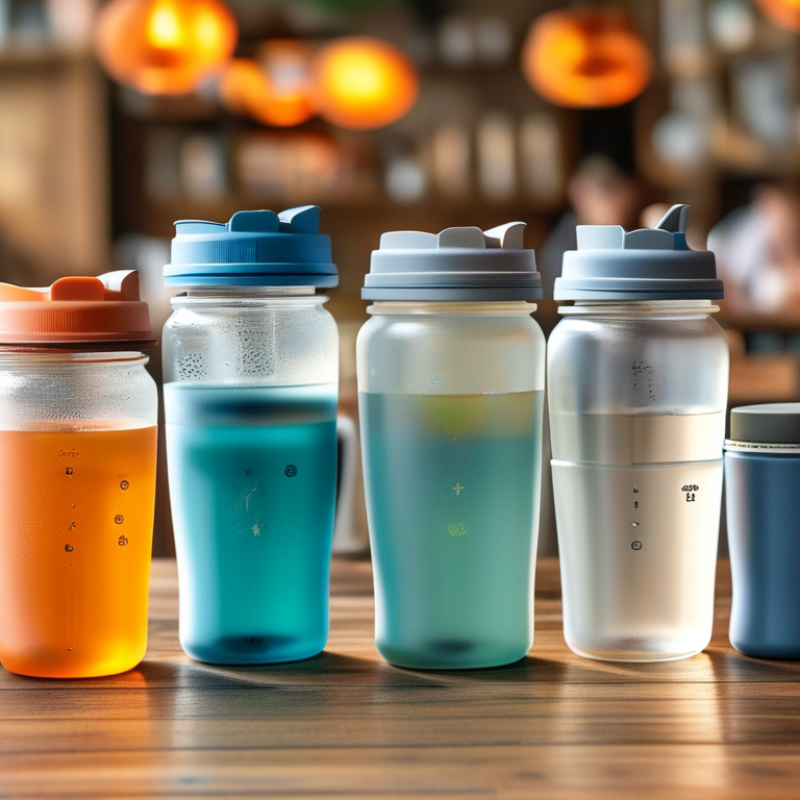
Understanding BPA and Its Health Risks
BPA, or bisphenol A, is a chemical widely found in plastics. It has raised significant health concerns over the years. Exposure to BPA can mimic hormones in the body, leading to various health effects. Studies suggest links to reproductive issues, metabolic problems, and even certain cancers. Many people are unaware of how prevalent BPA is in everyday items.
When choosing a reusable cup with a straw, it's essential to look for BPA-free options. Research shows that even low levels of BPA can be harmful. People often overlook the materials used in their drinkware. A cup labeled "BPA-free" has gone through specific manufacturing processes to eliminate this chemical. However, the alternative plastics can also have their risks.
Not all BPA-free plastics are created equal. Some substitute materials may not be fully tested for safety. It's wise to investigate the types of plastics used. Consider using stainless steel or glass, as these materials do not leach chemicals. While convenience is vital, so is your health. Reflecting on your choices can lead to better long-term well-being.
Identifying BPA-Free Plastic Materials
When selecting BPA-free plastic materials, it's crucial to understand what BPA is. Bisphenol A (BPA) is a chemical often used in various plastics and resins. Research from the National Institute of Health (NIH) indicates that BPA exposure can lead to health risks, particularly affecting hormonal functions. Understanding these risks informs better choices for everyday products.
BPA-free plastics often include alternatives like polyethene, polypropylene, or Tritan™. A study published in the Journal of Environmental Health highlights that these materials do not exhibit the same harmful characteristics as BPA-containing plastics. However, not all labeled BPA-free products guarantee safety from other harmful chemicals. Testing for alternative compounds is essential, as some may still mimic estrogenic properties.
Look for certifications and testing data when shopping for reusable cups. Various standards organizations provide insights into plastic safety. The American Society for Testing and Materials (ASTM) has developed protocols for testing plastics, which can help consumers identify reliable options. Many products marketed as BPA-free still contain additives that require scrutiny. Awareness and due diligence can ensure healthier choices for consumers.
Factors to Consider When Choosing a Reusable Cup
When selecting a BPA-free plastic reusable cup with a straw, several factors warrant attention. Material safety is fundamental. BPA, or bisphenol A, can disrupt endocrine systems. According to a report by the National Institutes of Health, exposure to BPA may lead to health problems. Thus, ensuring the plastic is certified as BPA-free is vital for safe usage.
Design matters too. A well-designed cup will have a secure lid and a straw that allows for smooth drinking. If the straw is too thin, it may clog easily. Look for cups that are dishwasher-safe. This ensures better hygiene and convenience, making daily use more practical. Additionally, check the cup's insulation properties. Insulated cups maintain drinks at the desired temperature longer.
Eco-friendliness cannot be overlooked. According to the Environmental Protection Agency, single-use plastics contribute significantly to pollution. Choosing a reusable cup is a step toward reducing waste. However, not all reusable options are created equal. Some end up in landfills after short use. Researching the lifecycle of the materials used in these cups can help ensure a responsible choice. Consider cups made from recycled materials or those that are recyclable themselves.
10 Tips for Choosing BPA Free Plastic Reusable Cup With Straw
| Factor |
Description |
| Material Quality |
Ensure the cup is made from high-quality, food-grade BPA-free plastic. |
| Size and Capacity |
Choose a size that fits your lifestyle and hydration needs, typically ranging from 12oz to 32oz. |
| Straw Material |
Check if the straw is also BPA-free and made from safe materials like silicone or BPA-free plastic. |
| Insulation Properties |
Consider double-walled insulation for keeping drinks cold or hot for longer periods. |
| Ease of Cleaning |
Opt for cups that are dishwasher safe or easy to clean by hand. |
| Lid Type |
Check the lid design for spill-proof features and how well it seals. |
| Design and Aesthetics |
Choose a design that you like and that fits your style; colors and finishes can vary widely. |
| Price Range |
Set a budget, as reusable cups come at different price points depending on features. |
| Brand Reputation |
Research brands with positive reviews and a commitment to safety and quality. |
| Environmental Impact |
Consider cups that are made from recycled materials or recyclable at the end of their lifecycle. |
Evaluating the Quality and Durability of Cups
When selecting a BPA-free plastic reusable cup with a straw, the quality and durability of the materials are crucial. Look for cups made from high-quality plastic like Tritan or polypropylene. These materials are not only free of harmful chemicals but also resistant to impact and stains. You want a cup that can withstand daily use without getting scratched or faded. Pay attention to the thickness of the walls. Thicker walls generally indicate better durability and can handle hot and cold beverages.
The design of the cup also plays a significant role in its longevity. Check if the cup has a secure lid and an easy-to-clean straw. Many cups are dishwasher safe, but not all can handle high temperatures. Consider how the cup feels in your hand. It should be comfortable and not too heavy. Some cups may slip from your grip if they are too smooth. A textured surface can provide better grip but may also require more effort to clean. Evaluate these details to ensure your cup is both practical and built to last.
Quality Evaluation of BPA Free Plastic Reusable Cups
Tips for Maintaining and Cleaning Your Reusable Cup
Caring for your BPA-free reusable cup is crucial for longevity. Start with regular cleaning. After each use, rinse your cup with warm water to remove any residue. For a deep clean, a mixture of vinegar and baking soda works wonders. This combination can eliminate stains and odors.
Use a bottle brush to reach the bottom. Focus on the straw too. A small brush specifically designed for cleaning straws is essential. Bacteria can thrive in hidden nooks, so check for mold or buildup. If you notice discoloration, consider replacing it.
Storing your cup correctly matters as well. Keep it upright in a designated spot. This prevents accidental spills and keeps it dust-free. Avoid leaving it in the car on sunny days. Heat can degrade the plastic over time. Reflect on your habits to ensure you maintain both hygiene and your cup's quality.
Conclusion
When choosing a Plastic Reusable Cup With Straw Bpa Free, it's essential to understand the implications of BPA (Bisphenol A) and its associated health risks. Opting for BPA-free materials can significantly reduce potential exposure to harmful chemicals. It's important to identify reliable BPA-free plastics and consider factors such as size, design, and usability features that suit your lifestyle needs.
Additionally, evaluating the quality and durability of the cup can ensure long-term usage. Look for products that demonstrate resilience and are easy to clean. Regular maintenance, including proper washing techniques, will enhance the lifespan of your reusable cup. By following these tips, you can confidently select a safe and functional Plastic Reusable Cup With Straw Bpa Free that fits seamlessly into your daily routine.

 Charmlite Cup