When it comes to choosing BPA free plastic drinking cups, the options can be overwhelming. However, understanding the importance of safety and health plays a crucial role in your decision-making process. Expert Dr. Emily Harris, a leading authority in toxicology, emphasizes, "Opting for BPA free products is a fundamental step towards ensuring consumer safety." This statement underlines the rising awareness about harmful chemicals in everyday items, including drinking cups.
BPA, or bisphenol A, is a chemical often found in plastics. Research shows it can affect hormonal balance and pose health risks. Thus, selecting BPA free plastic drinking cups becomes essential for families and health-conscious individuals. Pay attention to labels when shopping. Not all plastic cups labeled as "safe" are truly BPA free.
Consider materials used in production. Some manufacturers might advertise BPA free, yet use alternative chemicals that also raise concerns. Dive deeper into brand reputations and customer reviews. Engage with companies that value transparency. In the end, your choice will significantly impact your family's health. Be vigilant and informed, as not all products are created equal.
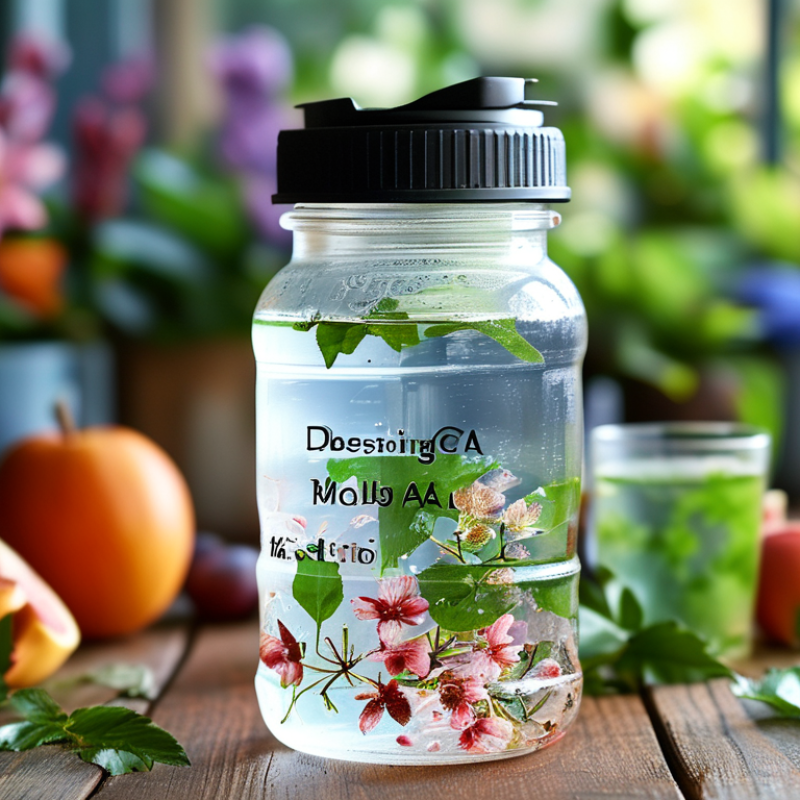
BPA, or bisphenol A, is a chemical often found in plastics. It's commonly used in items like water bottles and food containers. The concern arises from its ability to leach into food and drinks. Research indicates that BPA exposure can pose health risks. This includes hormonal disruptions and potential links to certain cancers. Many consumers now look for BPA-free products to minimize these risks.
Understanding BPA is crucial for making informed choices. While some plastics claim to be BPA-free, they may contain other harmful chemicals. It's not just about avoiding BPA. It's essential to consider the overall safety of the material. Examine the recycling codes on the bottom of these products. Numbers such as 1, 2, and 5 are typically safer options.
It’s important to ask questions. What materials are replacements for BPA? Are they equally reliable? Sometimes being BPA-free doesn’t guarantee safety. Prioritizing materials known for safety can be beneficial. Finding reliable alternatives requires diligence and research. Make choices that align with your health priorities. The journey to safer plastic starts with informed decisions.
| Tip | Description | Why It Matters |
|---|---|---|
| 1. Check for BPA-free label | Look for products specifically labeled as BPA-free. | Ensures safety from BPA-related health risks. |
| 2. Avoid plastic marked with recycle codes 3 and 7 | These codes may indicate the presence of BPA. | Reduces risk of exposure to harmful chemicals. |
| 3. Opt for safer materials | Consider alternatives like glass, stainless steel, or silicone. | Minimizes plastic use and associated risks. |
| 4. Examine product reviews | Read user feedback regarding safety and durability. | Provides insight into real-world usage and safety. |
| 5. Research the manufacturer | Investigate the reputation of the company making the product. | Ensures you're purchasing from a responsible source. |
| 6. Choose clear plastic cups | Transparent materials are less likely to contain harmful additives. | Improves visibility of product quality. |
| 7. Look for certifications | Check for third-party certifications guaranteeing safety. | Provides additional assurance of compliance with safety standards. |
| 8. Understand the longevity of the product | Consider how long the material will remain safe to use. | Avoids leaching of chemicals over time. |
| 9. Ensure dishwasher and microwave safety | Verify if the cup is safe for heating and cleaning. | Maintains product integrity and safety over use. |
| 10. Seek out user-friendly designs | Choose cups that are comfortable to hold and drink from. | Enhances user experience and satisfaction. |
?
BPA can leach into food and drinks, potentially causing hormonal disruptions and health risks.
Look for clear "BPA-free" labels and check recycling codes on the bottom.
Codes 1 (PETE), 2 (HDPE), and 5 (PP) are generally safer plastic options.
No, "BPA-free" doesn’t mean completely safe. Alternatives may also be harmful.
Avoid exposing them to high temperatures, especially in microwaves, to prevent leaching.
Research the materials and look for safety certifications to ensure reliability.
Yes, BPA-free options can still release harmful substances when heated or scratched.
Opt for polypropylene (PP) or polyethylene (PE) for greater stability and safety.
Understanding how products are made helps you make informed decisions about safety and transparency.
When choosing BPA free plastic drinking cups, it is crucial for consumers to understand the risks associated with BPA and how it can impact health. This article outlines important tips for identifying BPA-free labels and what to look for in plastics. It highlights the role of alternative materials that do not contain BPA, ensuring safer options for everyday use.
Additionally, the article evaluates the safety standards associated with BPA-free plastic goods, providing insights into how these products perform in terms of durability and usability. By considering these factors, consumers can make informed decisions, choosing BPA free plastic drinking cups that not only serve their practical needs but also promote a healthier lifestyle.

 Charmlite Cup