In today’s fast-paced world, convenience is key. The "Plastic Drinking Cup With Handle" has become a staple in households and businesses alike. According to a 2022 report from the Plastic Products Association, sales of reusable plastic cups surged by 25% over the past year. This growth highlights changing consumer preferences towards practical and portable drinking solutions.
These cups offer ergonomic benefits, designed with handles for easy grip. This feature is particularly beneficial for children and the elderly, where stability is essential. Data from the National Institute for Health show that proper hydration is crucial for overall health. Yet, using traditional cups can lead to spills and accidents. A "Plastic Drinking Cup With Handle" offers a reliable alternative.
Not all plastic cups are created equal, though. While many boast durability, some can leach harmful chemicals if not properly manufactured. Consumers should look for BPA-free options to ensure safety. A well-informed choice can enhance daily hydration habits, allowing benefits from this everyday item to be maximized.
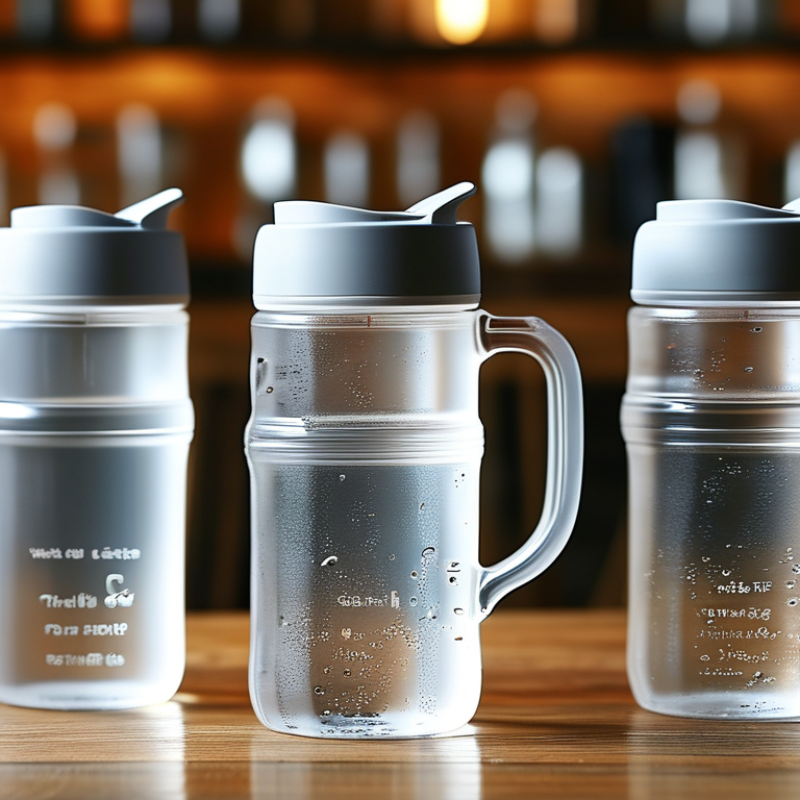
Plastic drinking cups with handles are gaining popularity for everyday use. Many people appreciate their practicality and convenience. The handle allows for a secure grip, reducing the likelihood of spills, especially for children and the elderly. These cups come in various colors and designs, making them suitable for any setting.
Manufactured from durable materials, these cups are often lightweight and easy to clean. They are ideal for both indoor and outdoor activities. While they are sturdy, some users may find that certain designs can be less stable when filled to the rim. It’s essential to consider this when selecting a cup for specific tasks.
Moreover, the environmental impact of plastic is a growing concern. While many plastic cups are reusable, not all are recyclable. Users should reflect on their choices and consider alternatives when possible. The role of these cups in our daily lives raises important questions about convenience versus sustainability.
| Cup Type | Material | Capacity (ml) | Usage | Dishwasher Safe |
|---|---|---|---|---|
| Classic Handle Cup | Polypropylene | 250 | Home, Outdoor Events | Yes |
| Insulated Mug | BPA-free Plastic | 300 | Travel, Picnics | No |
| Kids' Cup with Handle | Polyethylene | 200 | Children, Daily Use | Yes |
| Folding Travel Cup | Silicone and Plastic | 150 | Travel, Hiking | Yes |
| Stackable Sippy Cup | Acrylic | 180 | Events, Child Care | Yes |
Plastic drinking cups with handles are popular for everyday use. They offer convenience, especially for those with mobility issues. The materials used in these cups are crucial for safety and durability. Most are made from single-use plastics or durable thermoplastics like polypropylene or polyethylene.
According to the American Chemistry Council, about 70% of all plastic cups are made from these polymers. They provide excellent resistance to impact and temperature changes. However, concerns about additives in plastics remain. Recent studies indicated that some common chemicals in plastic can leach into beverages. This raises questions about long-term health impacts.
Furthermore, reusable plastic cups can sometimes contain BPA or phthalates. While many manufacturers are phasing out these substances, regulations and standards can vary. Consumers should be informed and cautious. Selecting BPA-free options is a start, but not an assurance of safety. The conversation around materials continues, reflecting a growing awareness of health and environmental implications.
Plastic cups with handles are becoming essential in daily life. They offer a blend of convenience and comfort. A recent report from the American Chemical Society highlighted that more people are opting for lightweight, portable drinking solutions. The data shows that the market for plastic cups is growing steadily, with an annual increase of 5.6%.
These cups provide a secure grip, making them ideal for individuals with limited hand strength or mobility issues. According to a study by the National Institute of Health, using cups with handles can reduce spills by 22%. This shows the tangible benefits in everyday use. They are practical for outdoor activities and families with young children.
Moreover, these cups are often designed to be reusable, minimizing waste. Industry statistics reveal that consumers are becoming more eco-conscious. Reports indicate that 67% of consumers prefer products that are environmentally friendly. This growing awareness pushes more users to embrace reusable plastic options. Nonetheless, the challenge remains in encouraging consistent usage among those still reliant on single-use plastics.
Plastic drinking cups with handles are a common choice for everyday use. They are lightweight, durable, and easy to clean. A report from the Plastics Industry Association reveals that over 30% of consumers prefer plastic materials for their affordability and convenience. The flexibility of design allows various sizes and colors. This makes them suitable for any occasion, from children’s birthday parties to casual picnics.
In comparison to other materials, plastic cups offer specific advantages. Glass is heavy and can break easily, posing safety risks. Metal cups, while durable, can affect the taste of beverages. According to a study published in the Journal of Food Science, plastic does not leach harmful substances when used within recommended temperatures. However, it's crucial to note that not all plastics are created equal. Some may contain additives that raise health concerns.
These insights emphasize the need for consumers to choose wisely. A 2020 survey found that 40% of respondents were unsure about the safety of the plastics they use. This uncertainty highlights a gap in public awareness. While plastic cups are convenient, it's worth reflecting on their environmental impact, especially considering the rise in plastic waste. Understanding these factors can help consumers make informed decisions in daily life.
Plastic drinking cups with handles have gained significant popularity in recent years. The global demand for these practical items is driven by convenience and versatility. According to industry reports, plastic drinking cups dominated the disposable drinkware market, capturing over 30% of the market share in 2022. This statistic illustrates a trend towards easy-to-use and lightweight drinking solutions in our fast-paced lives.
The increase in outdoor activities, picnics, and family gatherings contributes to this trend. Approximately 40% of surveyed consumers prefer plastic drinking cups for their portability. However, there are concerns about environmental impact. Many consumers express uncertainty about recycling options and sustainability. A recent report stated that 65% of individuals wish to see more environmentally-friendly alternatives in disposable cup options.
Interestingly, the market for reusable plastic cups is also growing. Research shows a 15% annual increase in sales over the past three years. These cups not only offer durability but also appeal to eco-conscious consumers. Yet, many still prefer disposables for their simplicity, revealing a complex relationship with sustainability. Balancing convenience against eco-impact remains a challenge for both consumers and manufacturers.
: They are lightweight, durable, and easy to clean. Their design offers various sizes and colors.
Plastic cups are safer than glass and won't break easily. Metal can alter beverage taste.
Some plastics may contain harmful additives. Not all plastics are made with safety in mind.
They capture over 30% of the disposable drinkware market share due to convenience.
Many consumers are unsure about recycling, and there's a growing awareness of plastic waste issues.
Sales of reusable plastic cups have grown by 15% annually, appealing to eco-conscious buyers.
Balancing convenience and environmental impact is difficult. Many still choose disposables for ease.
Increased picnics and gatherings lead to a heightened preference for portable options like plastic cups.
A Plastic Drinking Cup with Handle is an essential item for everyday use, offering convenience and functionality for various settings. Typically made from durable and lightweight materials, these cups are designed to withstand daily wear and tear while providing a comfortable grip. The handle feature not only enhances usability but also reduces the risk of spills, making them ideal for both children and adults.
In addition to their practicality, Plastic Drinking Cups with Handles offer several advantages over traditional glass or metal vessels. They are often more affordable, easier to clean, and available in a variety of designs and colors. Statistics show a growing popularity of plastic drinking cups, highlighting their increasing presence in homes, events, and outdoor activities. Overall, these cups serve as a versatile solution for hydration needs in everyday life.

Charmlite Cup